 Skip to content
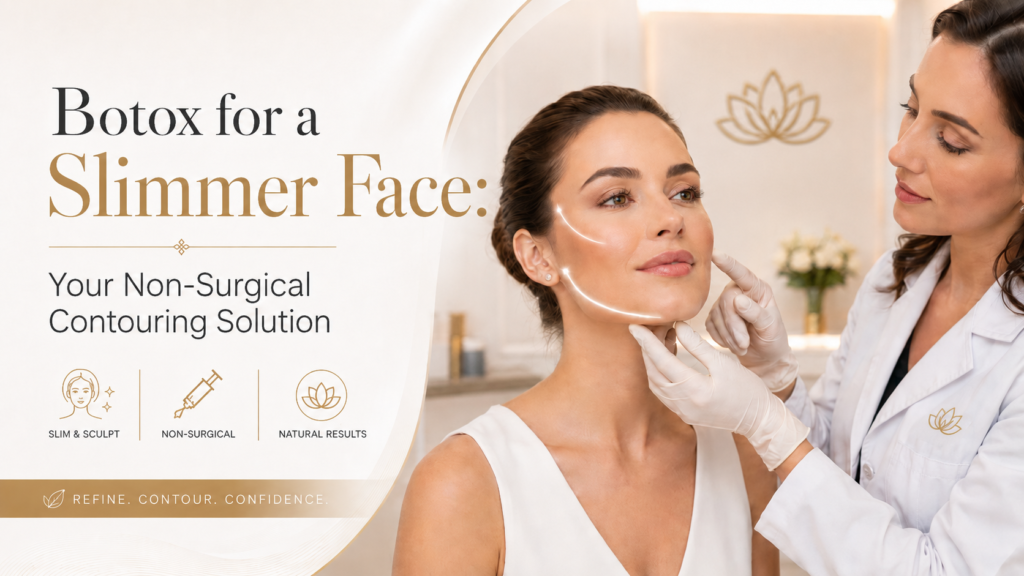
If you wake up with jaw soreness, headaches, tight facial muscles, or worn teeth, you may have heard about botox for jaw clenching as a possible treatment. Botox is often used in the masseter muscles, which are the strong chewing muscles on both sides of the jaw. The goal is to relax overactive muscles so clenching pressure is reduced and the jaw feels less tense.
Jaw clenching is often linked with bruxism, which means repetitive jaw muscle activity such as clenching, grinding, bracing, or thrusting the jaw. It can happen during the day or while sleeping. Research shows bruxism is not rare. A 2024 systematic review reported global bruxism prevalence around 22.22 percent, with sleep bruxism around 21 percent and awake bruxism around 23 percent.
For people exploring aesthetic and wellness treatments in Miami, World of Beauty offers services that support a more balanced, refreshed appearance. Their Botox and Dysport service may be relevant for people who want to understand whether neuromodulators are suitable for their concerns.
What jaw clenching does to your face and jaw
Jaw clenching may seem harmless at first, but repeated pressure can affect the teeth, jaw muscles, and facial comfort.
The masseter muscles can become enlarged from constant overuse. When this happens, the lower face may look wider or more square. Some people notice jaw tightness first. Others notice headaches, tooth wear, facial soreness, or discomfort while chewing.
Temporomandibular disorders, often called TMD, can also cause pain in the chewing muscles or jaw joint, facial or neck pain, jaw stiffness, limited movement, clicking, popping, or changes in how the teeth fit together. The National Institute of Dental and Craniofacial Research lists chewing muscle pain and jaw joint pain among the most common symptoms of TMD.
Not every person who clenches needs Botox. Some need a dental nightguard. Some need bite evaluation. Some need stress management, sleep assessment, or physical therapy. Botox is one option, not the only option.
How Botox works for jaw clenching
Botox is a neuromodulator. It temporarily reduces the activity of targeted muscles.
For jaw clenching, the injection is usually placed into the masseter muscles. These muscles are responsible for much of the force used in chewing and clenching. When Botox relaxes them, the muscles cannot contract with the same intensity.
This may help reduce jaw tension, muscle soreness, and clenching force. Over time, it may also soften the appearance of a bulky lower jaw if the masseter muscles were enlarged.
It is important to be accurate here. Botox is not FDA approved in the United States specifically for sleep bruxism. Medical literature describes this use as off label, meaning a provider may use it based on clinical judgment, but it is not an FDA approved indication for that exact condition.
What to expect before treatment
A proper consultation should come before any injection.
The provider should ask about your symptoms, dental history, medical history, medications, and previous treatments. They may ask whether you clench during the day, grind at night, wake up sore, have headaches, or have jaw clicking.
They may also ask you to clench your jaw so they can feel the size and strength of your masseter muscles.
This step matters. If your issue comes mainly from joint damage, tooth alignment, sleep apnea, or another medical condition, Botox alone may not be enough.
A good consultation should also explain risks, expected timeline, maintenance, and alternatives.
Botox for jaw clenching at a glance
| Treatment detail | What it means | What to expect |
| Masseter muscle | Main chewing muscle on each side of the jaw | Common injection area for jaw clenching |
| Treatment type | Injectable neuromodulator | Temporarily relaxes targeted muscle activity |
| Main goal | Reduce clenching force | May help with tension and muscle soreness |
| Cosmetic effect | Less masseter bulk over time | Lower face may look softer or slimmer |
| Timeline | Gradual effect | Many people notice change over days to weeks |
| Maintenance | Temporary result | Follow up treatments may be needed |
| Approval status | Off label for bruxism in the United States | Consultation is important |
What happens during the appointment
The treatment itself is usually quick.
The provider will identify the masseter muscles and may mark the injection points. You may be asked to clench so the muscle is easier to locate. Small injections are then placed into the muscle on each side of the jaw.
Most people do not need major downtime. The appointment may be short, but the planning should not be rushed.
After treatment, you may be told to avoid rubbing the area, avoid intense exercise for the rest of the day, and stay upright for a short period. Follow the exact aftercare instructions from your provider.
If you are considering other facial treatments, the broader injectables service page can help you understand how Botox, Dysport, fillers, and other options fit into a customized plan.
When results may appear
Botox does not work instantly.
The FDA label for Botox Cosmetic notes that for approved cosmetic uses, initial effect may begin within one to two days, with intensity increasing during the first week. Duration for glabellar line treatment is generally about three to four months. Jaw clenching treatment may follow a different timeline because the target muscle and purpose are different.
For masseter treatment, many people notice reduced jaw tension first. Facial slimming, if it happens, usually takes longer because the muscle needs time to reduce in activity and bulk.
| Expected stage | Possible experience |
| First few days | Little visible change for some people |
| First one to two weeks | Jaw may begin to feel less tense |
| Several weeks | Clenching force may feel reduced |
| One to three months | Lower face may look softer if masseter bulk decreases |
| After several months | Effects gradually wear off and maintenance may be discussed |
Benefits people may notice
People often consider Botox for jaw clenching because they want relief from muscle tension.
Possible benefits may include reduced jaw tightness, less masseter soreness, lower clenching force, fewer tension related headaches, and a softer lower face shape.
The cosmetic benefit is secondary for some patients and primary for others. A strong masseter can make the jawline look wide or square. Relaxing the muscle may create a slimmer facial look, but this depends on anatomy.
If your goal is cosmetic refinement, viewing real treatment examples can help set expectations. You can look through the gallery to understand the clinic’s aesthetic style.
Risks and side effects
Botox is widely used, but it is still a medical treatment. It should not be treated casually.
Possible side effects may include bruising, swelling, tenderness, temporary weakness, asymmetry, chewing fatigue, or an uneven smile if the product spreads or is placed incorrectly.
The FDA label for Botox also includes warnings about the possible distant spread of toxin effect, although serious events are uncommon in cosmetic use when properly administered. This is why trained providers and proper dosing matter.
You should tell your provider if you are pregnant, breastfeeding, have a neuromuscular condition, take blood thinners, have had prior reactions to botulinum toxin products, or have active infection near the treatment area.
Botox compared with other jaw clenching options
Botox is not the only treatment for jaw clenching. In many cases, the best plan combines several approaches.
| Option | Purpose | Best suited for |
| Dental nightguard | Protects teeth from grinding damage | Sleep grinding and tooth wear |
| Stress management | Reduces tension triggers | Awake clenching linked with stress |
| Physical therapy | Improves muscle and jaw function | TMD and movement related discomfort |
| Sleep evaluation | Checks sleep related causes | Suspected sleep apnea or nighttime grinding |
| Botox | Reduces masseter muscle activity | Strong masseter clenching and muscle tension |
A serious provider will not pretend Botox fixes every jaw problem. That is lazy medicine. The better approach is to identify why clenching is happening and then choose the right treatment mix.
Who may be a good candidate
You may be a good candidate if you have strong masseter muscles, frequent jaw clenching, jaw tension, muscle soreness, or a square jaw caused by muscle bulk.
You may not be the right candidate if your symptoms come mainly from joint disease, untreated dental problems, sleep apnea, or another medical condition that needs separate care.
A consultation is the only responsible way to know. If you want to discuss whether Botox or Dysport fits your needs, you can contact the clinic through the contact page.
Why provider experience matters
Masseter Botox is not just about placing injections into the jaw. The provider needs to understand facial anatomy, chewing function, muscle size, dosage, symmetry, and patient goals.
Too little product may not help. Too much may cause chewing discomfort or facial imbalance. Poor placement may affect nearby muscles.
This is where experience matters. The goal should be controlled relaxation, not over weakening. You can learn more about the clinic’s background through the about us page.
Final thoughts
Botox for jaw clenching can be a useful option for people with overactive masseter muscles, jaw tension, and clenching related discomfort. It may also soften the lower face when jaw width is caused by muscle bulk.
The key is realistic expectations. Botox does not cure every cause of jaw pain. It does not replace dental care. It is not FDA approved specifically for sleep bruxism in the United States. But when used carefully by a qualified provider, it may help reduce muscle activity and improve comfort for selected patients.
A proper consultation should come first. The right provider will assess your jaw, listen to your symptoms, explain your options, and help you decide whether Botox, Dysport, or another treatment path makes the most sense.
